Jaffna
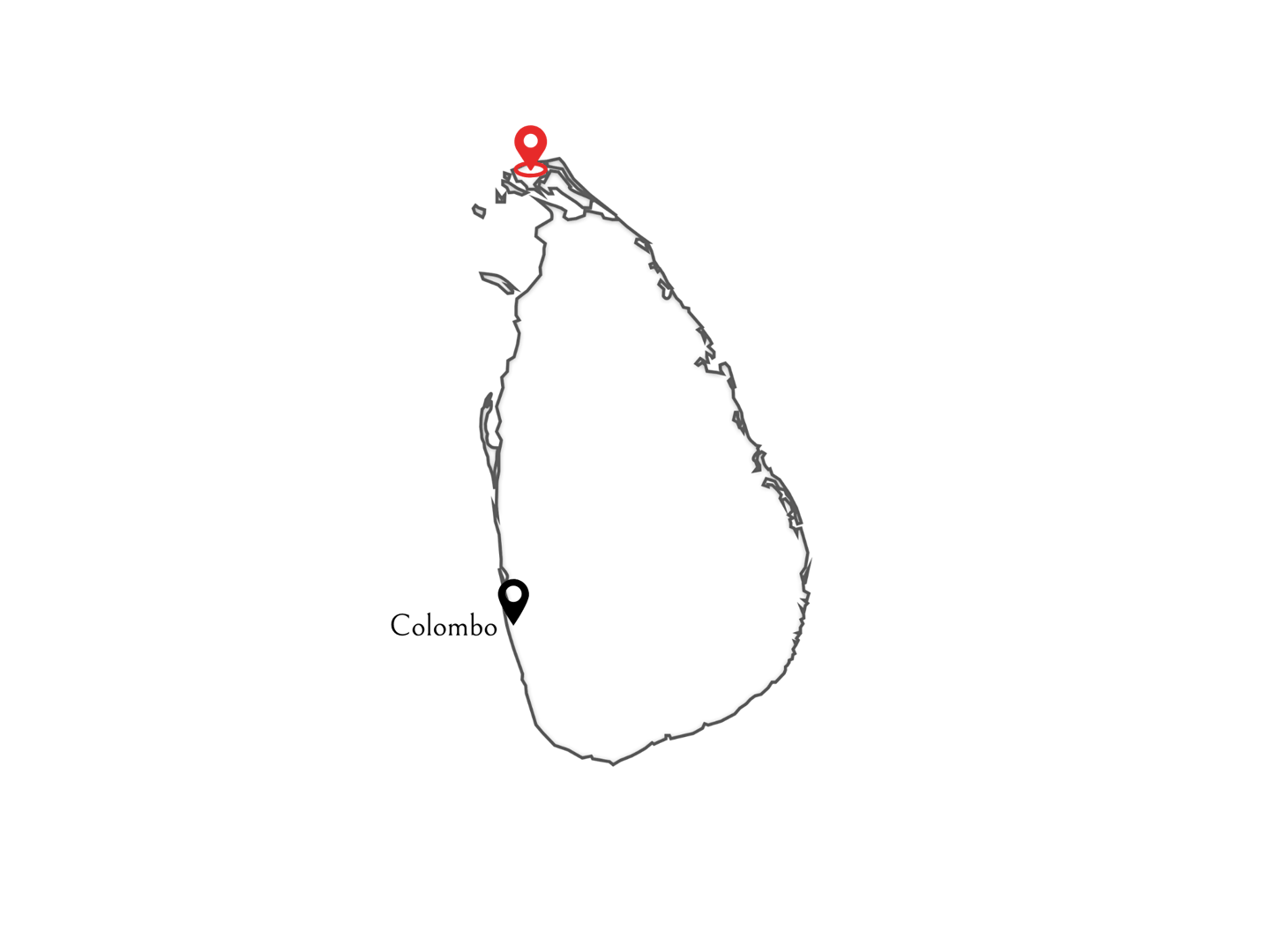
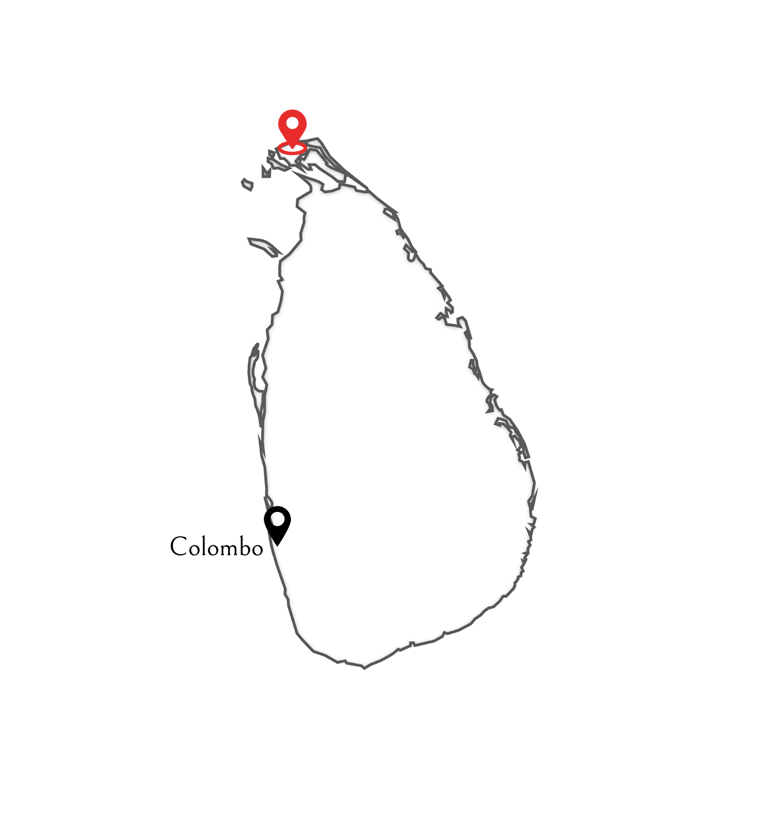
Jaffna, located at the northern tip of Sri Lanka, is a vibrant region rich in Tamil heritage, centuries-old history, and untouched coastal beauty. It offers a unique cultural experience unlike anywhere else on the island.
Province
Northern Province
District
Jaffna
How to get to Jaffna
By Air (Fastest Option)
Domestic flights operate from Bandaranaike International Airport to Jaffna International Airport
Flight time: approx. 1 hour
By Train (Scenic & Comfortable)
Direct trains from Colombo Fort Railway Station to Jaffna
Duration: 6–8 hours
Popular for scenic countryside views
By Road (Flexible Travel)
Drive via the A9 highway from Colombo
Duration: 7–9 hours depending on stops
Private car or guided transfer recommended for comfort
By Bus (Budget-Friendly)
Regular intercity buses from Colombo and major cities
Both government and private luxury buses available
Duration: 8–10 hours
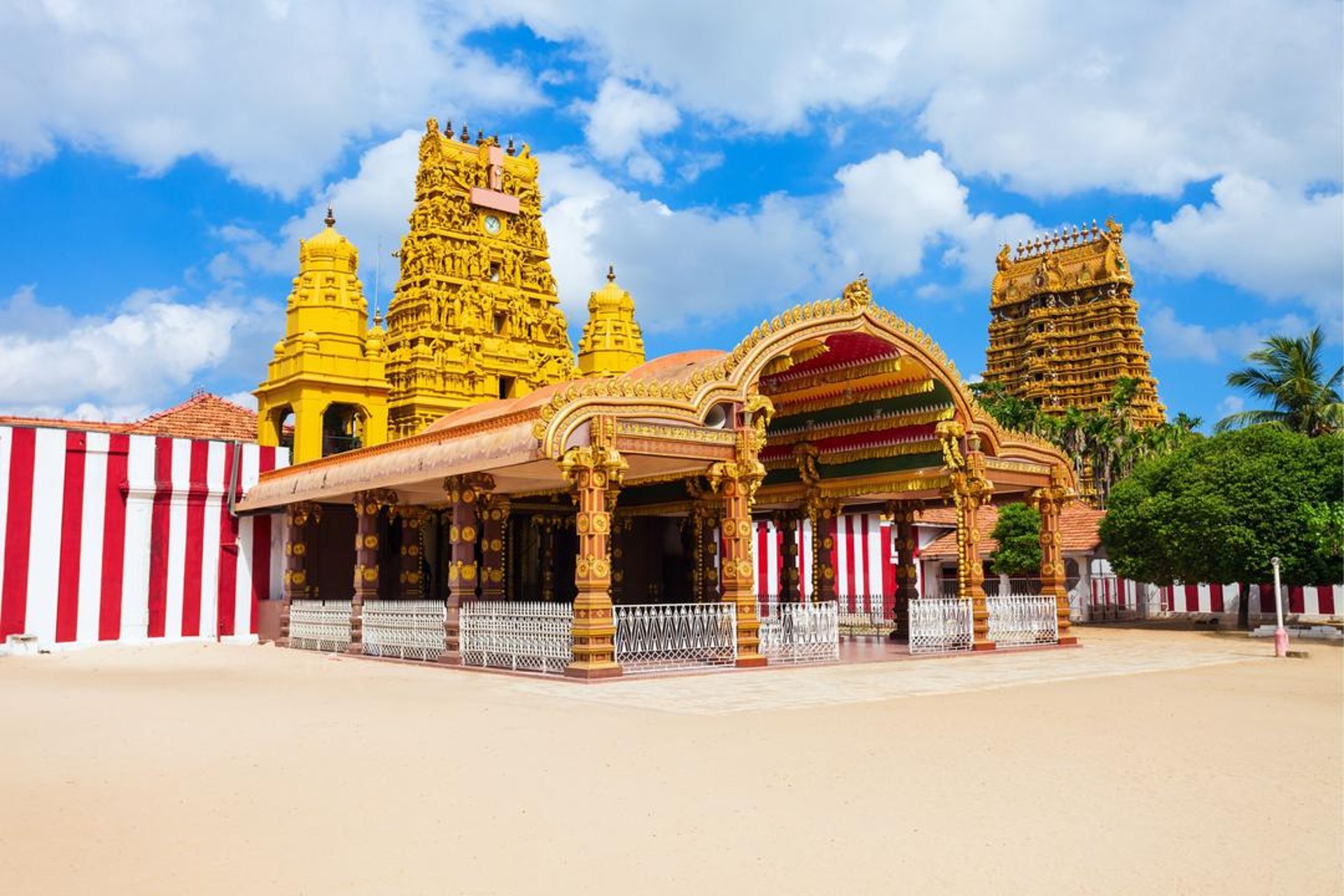
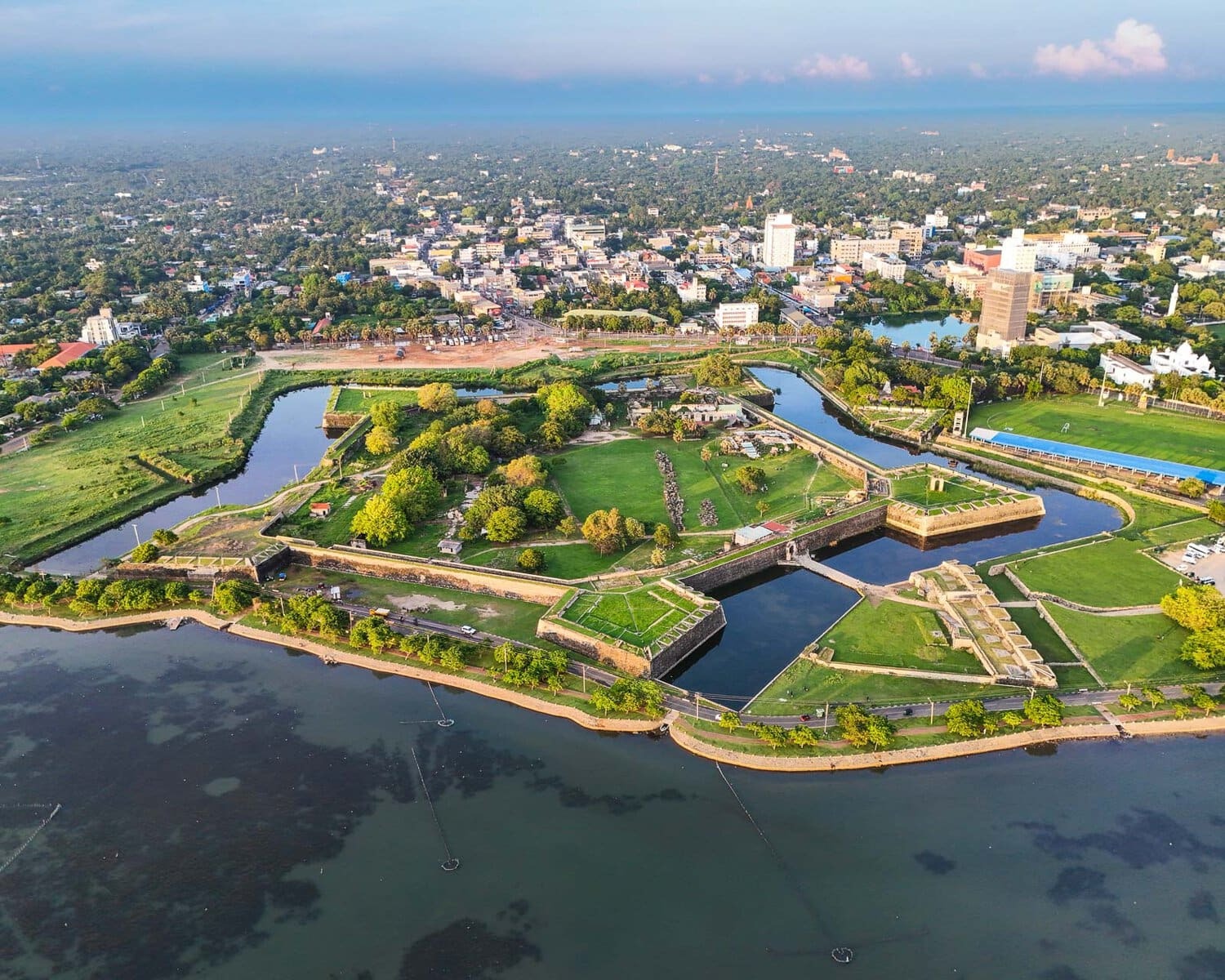
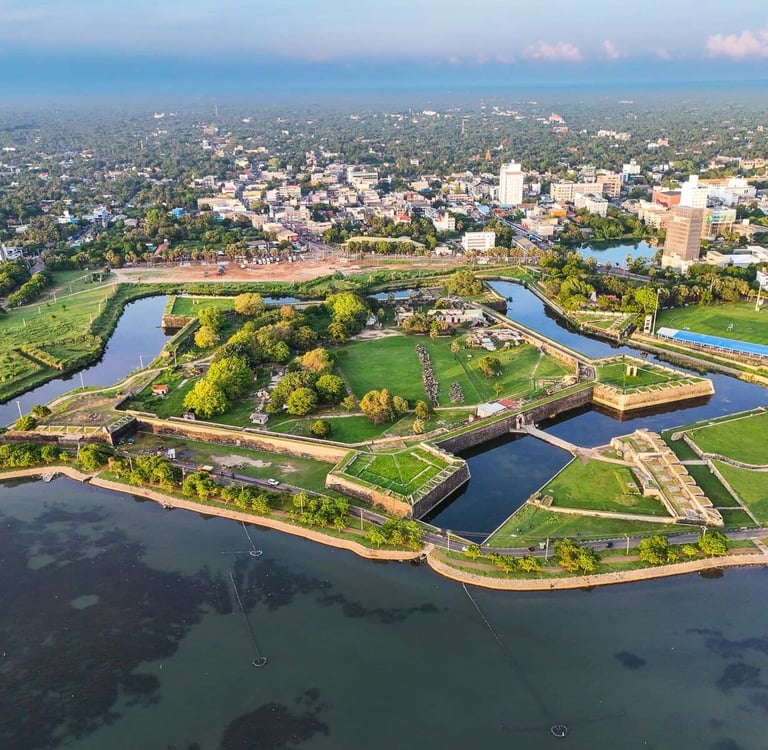
Jaffna is the cultural heartland of Sri Lanka’s Tamil community, offering a distinctive blend of tradition, spirituality, and resilience shaped by its history. The city is known for its iconic landmarks such as the historic Jaffna Fort, originally built by the Portuguese and later expanded by the Dutch, and the colorful Nallur Kandaswamy Temple, one of the most significant Hindu temples in the country.
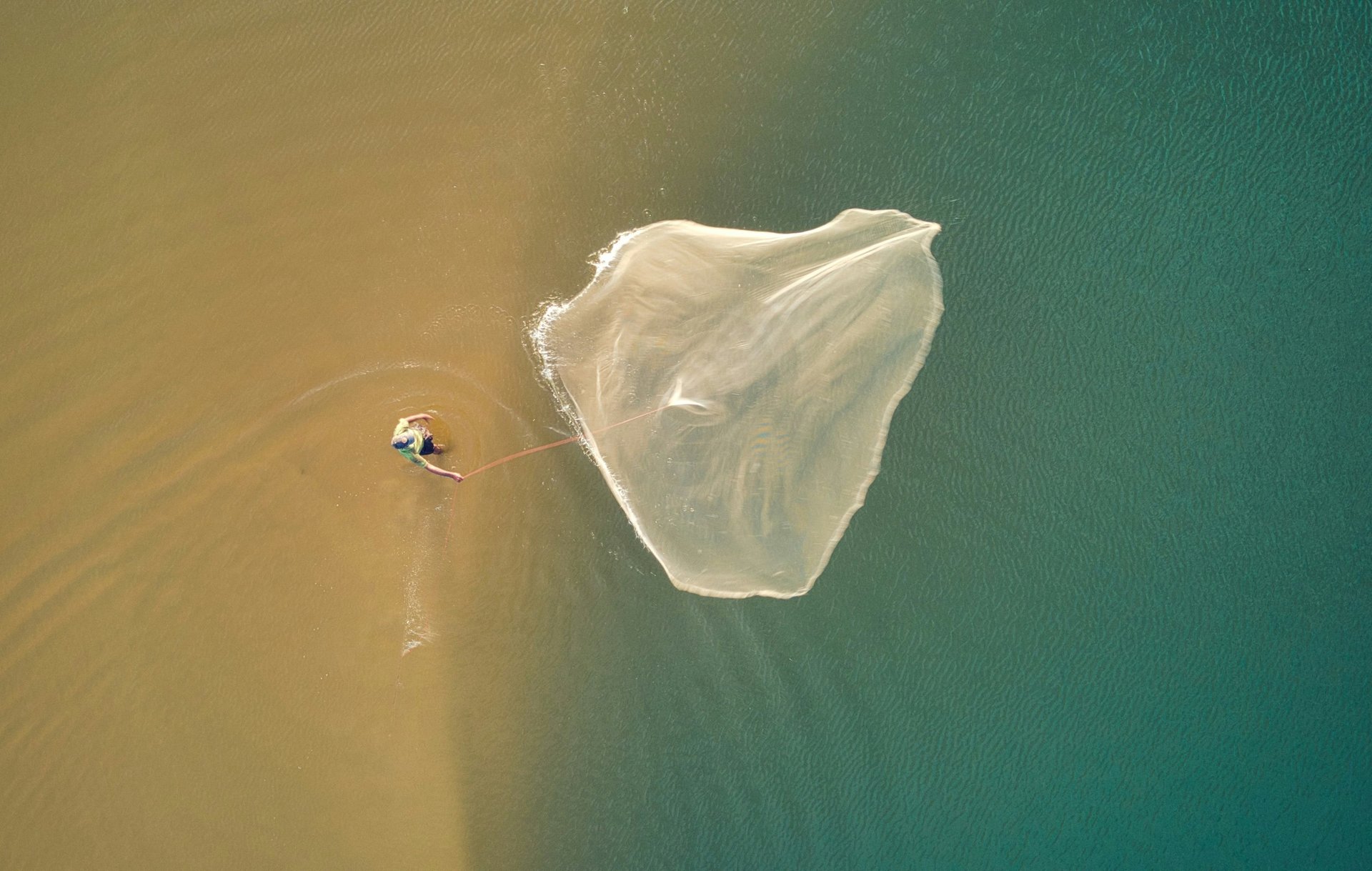
Beyond its heritage, Jaffna offers serene coastal landscapes including the remote islands of Delft Island, known for its wild horses and coral walls, and Casuarina Beach, famous for its shallow, calm waters. The region’s charm lies in its slower pace of life, warm hospitality, and authentic experiences—from cycling through quiet villages to tasting the bold flavors of Jaffna cuisine, renowned for its rich spices and seafood.
For travelers, Jaffna provides a deeper, more cultural journey. It is ideal for those seeking history, religion, local life, and off-the-beaten-path exploration. The best time to visit is between May and September for drier weather, while the vibrant Nallur Festival (July–August) offers an unforgettable cultural spectacle. English is commonly understood, though Tamil is the primary language spoken.
Explore
Discover unforgettable tours in beautiful Sri Lanka.
Travel
Adventure
+94 76 066 0141
© 2026. All rights reserved.